Buy mannifest.eu ?
We are moving the project
mannifest.eu .
Are you interested in purchasing the domain
mannifest.eu ?
domain@kv-gmbh.de · 0541-91531010
Buy mannifest.eu ?
What are confidence intervals?
Confidence intervals are a range of values that are used to estimate the true value of a population parameter, such as the mean or proportion. They provide a measure of the uncertainty or variability in the estimate, and are typically expressed as a range of values with a specified level of confidence, such as 95% or 99%. Confidence intervals are calculated using sample data and statistical methods, and are used to make inferences about the population parameter being estimated. They are a useful tool for understanding the precision and reliability of an estimate, and for comparing different groups or treatments in a study. **
What are real number intervals?
Real number intervals are continuous sets of real numbers that lie between two specified values. They can be open intervals, which do not include the endpoint values, or closed intervals, which include the endpoint values. Real number intervals are commonly represented using interval notation, such as (a, b) for an open interval or [a, b] for a closed interval. These intervals are used in mathematics to describe ranges of values or solutions to equations. **

Similar search terms for Intervals
Top-Angebote
Products related to Intervals:
-
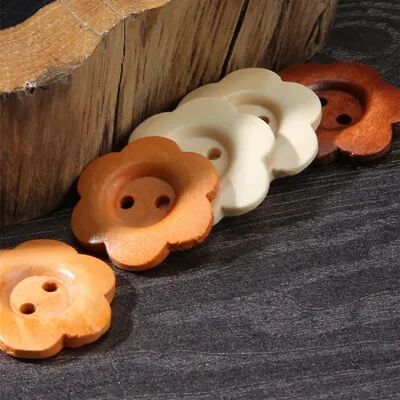
Inspire Daily Merch Wooden Flower Buttons Hole Flat Back Buttons For Womens Sweaters Overcoats Apparel Accessories brown 12mmEnhance Your Apparel with 10PCS Wooden Flower Buttons Add a touch of charm to your wardrobe with these 10PCS Wooden Flower Buttons. Designed with a 2hole flatback structure, these beautiful buttons are the perfect addition to your sweaters,...49,97 $*Shipping: 0,00 $Secure redirect to the provider
-
Nutergia Ergykid Wellness 150 mlNutrition and Supplements Special supplements Nutergia Ergykid Wellness 150 ml A unique synergy combining relaxing herbs (chamomile and marjoram), minerals (iron and magnesium), and vitamin B6 for the well-being of children ages 3 and up. The formula has been scientifically developed to meet the specific needs of children, with doses tailored to nutritional guidelines. This ready-to-use, child-tested, blackcurrant-flavored solution incorporates agave syrup, which has a low glycemic index. Iron contributes to maintaining normal cognitive development in children. Chamomile, which is relaxing, helps maintain nervous balance. Directions for use: 3 to 6 years: 5 ml/day, morning or night.\ Over 6 years: 10 ml/day, morning or night.12,96 £*Shipping: 3,99 £Secure redirect to the provider
-
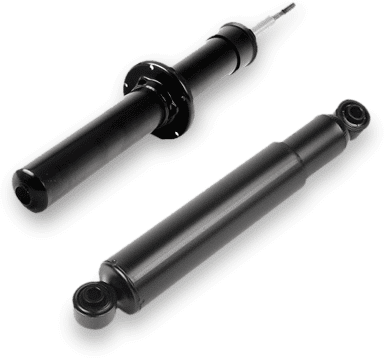
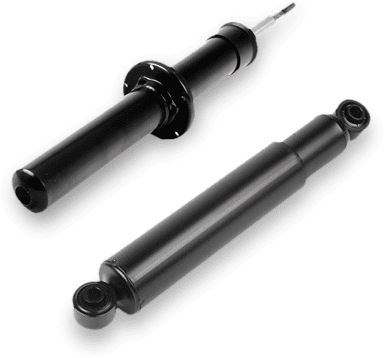
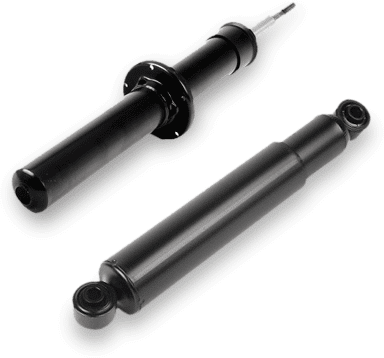
Magnum Technology M0003 Shock absorberMounting points diameter [mm]: 16; Fitting Position: Front Axle; Pipe Diameter [mm]: 53, 45; Required quantity: 2; Shock Absorber Type: Oil Pressure; Shock Absorber Design: Suspension Strut; Shock Absorber Mounting Type: Top eye; Diameter: 16; Length 2 [mm]: 296, 451; Engine Code: 81404758,98 £*Shipping: 8,45 £Secure redirect to the provider
-
Magnum Technology AGR056MT Shock absorberFitting Position: Front Axle; Shock Absorber Type: Gas Pressure; Shock Absorber Design: Suspension Strut; Shock Absorber System: Twin-Tube; Shock Absorber Mounting Type: Top pin; Suspension: for vehicles without sports suspension112,98 £*Shipping: 8,45 £Secure redirect to the provider


-
How can one remember intervals?
One way to remember intervals is to associate them with familiar songs or melodies. For example, a perfect fourth interval is the first two notes of "Here Comes the Bride." Another method is to visualize the distance between the notes on a piano or other instrument. Practice playing and listening to intervals regularly to reinforce your memory of them. Additionally, using mnemonic devices or creating flashcards with interval names and examples can help solidify your understanding and retention of intervals. **
-
How do you hear intervals?
Intervals are heard by recognizing the distance between two notes in terms of pitch. This can be done by comparing the two notes and identifying whether the second note is higher, lower, or the same pitch as the first note. The quality of the interval (such as major, minor, perfect, etc.) can also be determined by listening to the specific sound created by the two notes played together. Training your ear through practice and exposure to different intervals can help in accurately identifying and hearing intervals. **
-
Wanted: Explanation of music intervals.
Music intervals are the distance between two pitches. They are named based on the number of letter names they encompass, such as a second, third, fourth, etc. Intervals can be classified as either harmonic (played simultaneously) or melodic (played consecutively). Understanding intervals is crucial in music theory as they help musicians identify and create melodies, harmonies, and chords. **
-
What are intervals in mathematics?
In mathematics, an interval is a set of real numbers with the property that any number that lies between two numbers in the set is also included in the set. Intervals can be open, closed, or a combination of both, and they can be bounded or unbounded. For example, the interval [a, b] includes all real numbers x such that a ≤ x ≤ b, while the interval (a, b) includes all real numbers x such that a < x < b. Intervals are used in various mathematical contexts, such as in calculus, analysis, and inequalities. **
How intense are music intervals?
Music intervals can vary in intensity depending on their size and the context in which they are used. Smaller intervals, such as minor and major seconds, can create a sense of tension and dissonance, while larger intervals, such as perfect fifths and octaves, can create a feeling of stability and resolution. The intensity of music intervals is also influenced by factors such as dynamics, articulation, and the overall musical texture. Ultimately, the intensity of music intervals is subjective and can be perceived differently by different listeners. **
How can one reduce measurement data in Excel from 15-minute intervals to hourly intervals?
To reduce measurement data in Excel from 15-minute intervals to hourly intervals, you can use the AVERAGE function. First, create a new column next to your original data. Then, use the AVERAGE function to calculate the average value for every four 15-minute intervals to get the hourly average. Drag the formula down to apply it to all the data points, and you will have your data reduced to hourly intervals. **
Top-Angebote
Products related to Intervals:
-
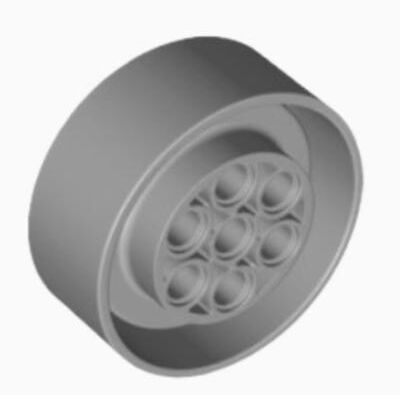
Lush Living Finds Perforated Brick Assembly Toy Accessories With Technology Mechanical Wheels Perforated Brick Assembly Toy Accessories With Technology Mechanical WheelsEnhance Creativity with Technology Mechanical Wheels Unlock the power of innovation with our technology mechanical wheels, designed specifically for perforated brick assembly toy accessories. Whether you are a hobbyist or a seasoned builder, these...43,97 $*Shipping: 0,00 $Secure redirect to the provider
-
Juicy Couture Wellness MatsMake time in the kitchen more comfortable with the Juicy Couture Wellness Mat. Cushioned anti-fatigue support helps ease pressure during meal prep and cleanup, while the skid-resistant backing helps the mat stay in place.28,99 $*Shipping: 0,00 $Secure redirect to the provider
-
Inspire Daily Merch Wooden Flower Buttons Hole Flat Back Buttons For Womens Sweaters Overcoats Apparel Accessories brown 12mmEnhance Your Apparel with 10PCS Wooden Flower Buttons Add a touch of charm to your wardrobe with these 10PCS Wooden Flower Buttons. Designed with a 2hole flatback structure, these beautiful buttons are the perfect addition to your sweaters,...49,97 $*Shipping: 0,00 $Secure redirect to the provider
-
Nutergia Ergykid Wellness 150 mlNutrition and Supplements Special supplements Nutergia Ergykid Wellness 150 ml A unique synergy combining relaxing herbs (chamomile and marjoram), minerals (iron and magnesium), and vitamin B6 for the well-being of children ages 3 and up. The formula has been scientifically developed to meet the specific needs of children, with doses tailored to nutritional guidelines. This ready-to-use, child-tested, blackcurrant-flavored solution incorporates agave syrup, which has a low glycemic index. Iron contributes to maintaining normal cognitive development in children. Chamomile, which is relaxing, helps maintain nervous balance. Directions for use: 3 to 6 years: 5 ml/day, morning or night.\ Over 6 years: 10 ml/day, morning or night.12,96 £*Shipping: 3,99 £Secure redirect to the provider
-
What are confidence intervals?
Confidence intervals are a range of values that are used to estimate the true value of a population parameter, such as the mean or proportion. They provide a measure of the uncertainty or variability in the estimate, and are typically expressed as a range of values with a specified level of confidence, such as 95% or 99%. Confidence intervals are calculated using sample data and statistical methods, and are used to make inferences about the population parameter being estimated. They are a useful tool for understanding the precision and reliability of an estimate, and for comparing different groups or treatments in a study. **
-
What are real number intervals?
Real number intervals are continuous sets of real numbers that lie between two specified values. They can be open intervals, which do not include the endpoint values, or closed intervals, which include the endpoint values. Real number intervals are commonly represented using interval notation, such as (a, b) for an open interval or [a, b] for a closed interval. These intervals are used in mathematics to describe ranges of values or solutions to equations. **
-
How can one remember intervals?
One way to remember intervals is to associate them with familiar songs or melodies. For example, a perfect fourth interval is the first two notes of "Here Comes the Bride." Another method is to visualize the distance between the notes on a piano or other instrument. Practice playing and listening to intervals regularly to reinforce your memory of them. Additionally, using mnemonic devices or creating flashcards with interval names and examples can help solidify your understanding and retention of intervals. **
-
How do you hear intervals?
Intervals are heard by recognizing the distance between two notes in terms of pitch. This can be done by comparing the two notes and identifying whether the second note is higher, lower, or the same pitch as the first note. The quality of the interval (such as major, minor, perfect, etc.) can also be determined by listening to the specific sound created by the two notes played together. Training your ear through practice and exposure to different intervals can help in accurately identifying and hearing intervals. **
Similar search terms for Intervals
-
Magnum Technology M0003 Shock absorberMounting points diameter [mm]: 16; Fitting Position: Front Axle; Pipe Diameter [mm]: 53, 45; Required quantity: 2; Shock Absorber Type: Oil Pressure; Shock Absorber Design: Suspension Strut; Shock Absorber Mounting Type: Top eye; Diameter: 16; Length 2 [mm]: 296, 451; Engine Code: 81404758,98 £*Shipping: 8,45 £Secure redirect to the provider
-
Magnum Technology AGR056MT Shock absorberFitting Position: Front Axle; Shock Absorber Type: Gas Pressure; Shock Absorber Design: Suspension Strut; Shock Absorber System: Twin-Tube; Shock Absorber Mounting Type: Top pin; Suspension: for vehicles without sports suspension112,98 £*Shipping: 8,45 £Secure redirect to the provider
-
Magnum Technology AGF085MT Shock absorberShock Absorber Type: Gas Pressure; Shock Absorber Design: Suspension Strut; Shock Absorber System: Twin-Tube; Fitting Position: Front Axle Left; Shock Absorber Mounting Type: Top pin; Suspension: for vehicles with standard suspension47,49 £*Shipping: 8,45 £Secure redirect to the provider
-
Magnum Technology AGF026MT Shock absorberFitting Position: Front Axle; Shock Absorber Type: Gas Pressure; Shock Absorber Design: Suspension Strut; Shock Absorber System: Twin-Tube; Shock Absorber Mounting Type: Top pin, Bottom Plate; Construction Year from: 01/1996; Vehicle Identification Number (VIN) from: 4085698; Construction Year to: 12/2001104,98 £*Shipping: 8,45 £Secure redirect to the provider
-
Wanted: Explanation of music intervals.
Music intervals are the distance between two pitches. They are named based on the number of letter names they encompass, such as a second, third, fourth, etc. Intervals can be classified as either harmonic (played simultaneously) or melodic (played consecutively). Understanding intervals is crucial in music theory as they help musicians identify and create melodies, harmonies, and chords. **
-
What are intervals in mathematics?
In mathematics, an interval is a set of real numbers with the property that any number that lies between two numbers in the set is also included in the set. Intervals can be open, closed, or a combination of both, and they can be bounded or unbounded. For example, the interval [a, b] includes all real numbers x such that a ≤ x ≤ b, while the interval (a, b) includes all real numbers x such that a < x < b. Intervals are used in various mathematical contexts, such as in calculus, analysis, and inequalities. **
-
How intense are music intervals?
Music intervals can vary in intensity depending on their size and the context in which they are used. Smaller intervals, such as minor and major seconds, can create a sense of tension and dissonance, while larger intervals, such as perfect fifths and octaves, can create a feeling of stability and resolution. The intensity of music intervals is also influenced by factors such as dynamics, articulation, and the overall musical texture. Ultimately, the intensity of music intervals is subjective and can be perceived differently by different listeners. **
-
How can one reduce measurement data in Excel from 15-minute intervals to hourly intervals?
To reduce measurement data in Excel from 15-minute intervals to hourly intervals, you can use the AVERAGE function. First, create a new column next to your original data. Then, use the AVERAGE function to calculate the average value for every four 15-minute intervals to get the hourly average. Drag the formula down to apply it to all the data points, and you will have your data reduced to hourly intervals. **
* All prices are inclusive of VAT and, if applicable, plus shipping costs. The offer information is based on the details provided by the respective shop and is updated through automated processes. Real-time updates do not occur, so deviations can occur in individual cases. ** Note: Parts of this content were created by AI.