Buy mannifest.eu ?
We are moving the project
mannifest.eu .
Are you interested in purchasing the domain
mannifest.eu ?
domain@kv-gmbh.de · 0541-91531010
Buy mannifest.eu ?
Is kidney calcification curable?
Kidney calcification is not curable, as it is a permanent condition where calcium deposits form in the kidneys. However, treatment options are available to manage the symptoms and complications associated with kidney calcification. These may include medications to help manage pain or underlying conditions contributing to the calcification, as well as lifestyle changes to help prevent further calcification. It is important to consult with a healthcare provider for proper diagnosis and management of kidney calcification. **
What causes the calcification of sodium bicarbonate?
The calcification of sodium bicarbonate occurs when it is exposed to high levels of calcium and magnesium ions in water. These ions react with the bicarbonate ions in sodium bicarbonate to form insoluble calcium and magnesium carbonates. This process is commonly seen in hard water, where the high mineral content leads to the formation of scale or calcification on surfaces such as pipes, appliances, and fixtures. Regular maintenance and the use of water softeners can help prevent the calcification of sodium bicarbonate in water systems. **

Similar search terms for Calcification
Top-Angebote
Products related to Calcification:
-
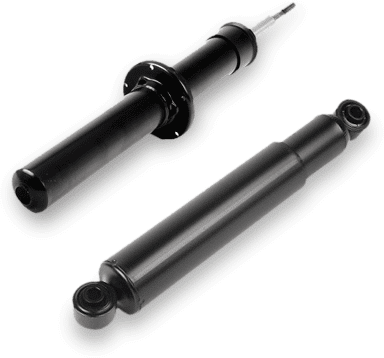
Magnum Technology M0122 Shock absorberFitting Position: Rear Axle, Front Axle Left, Front Axle Right; Shock Absorber Type: Oil Pressure; Shock Absorber Mounting Type: Top eye, Bottom eye; Length 2 [mm]: 520,8, 865,5; Shock Absorber Design: Telescopic Shock Absorber155,98 £*Shipping: 8,45 £Secure redirect to the provider
-
Magnum Technology MGS0102 Tailgate strutFitting Position: both sides; Styling: without spoiler; Length [mm]: 560; Stroke [mm]: 221; Extention Force [N]: 290; Colour: black; Housing Diameter [mm]: 18; min. length [mm]: 322; Piston Rod Diameter [mm]: 814,99 £*Shipping: 8,45 £Secure redirect to the provider
-
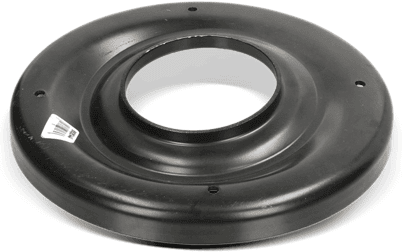
Magnum Technology SB132 Coil springFitting Position: Rear Axle; Parameter: E; Spring Design: Coil Spring; Thickness 1 [mm]: 13,2; Outer Diameter [mm]: 121; Length [mm]: 377; Diameter: 13,25; Vehicle Equipment: for vehicles with trailer hitch; Suspension: for vehicles without sports suspension99,98 £*Shipping: 8,45 £Secure redirect to the provider



-
What causes extreme calcification on the faucet?
Extreme calcification on the faucet is typically caused by hard water. Hard water contains high levels of minerals such as calcium and magnesium, which can build up over time and form a hard, crusty layer on the faucet. This buildup is known as limescale or calcification. The minerals in hard water can also react with soap and other cleaning products, making it more difficult to remove the calcification. Regular cleaning and the use of water softeners can help prevent extreme calcification on faucets. **
-
What is calcification in a horse's leg?
Calcification in a horse's leg refers to the process of calcium deposits forming in the soft tissues of the leg, such as tendons and ligaments. This can occur as a result of injury, inflammation, or stress on the tissues. Over time, these calcium deposits can harden and cause stiffness and reduced flexibility in the affected area, leading to lameness and discomfort for the horse. Proper management and treatment, such as rest, controlled exercise, and veterinary care, are important to help prevent and address calcification in a horse's leg. **
-
Does vascular calcification (atherosclerosis) only occur in herbivores?
No, vascular calcification, also known as atherosclerosis, can occur in both herbivores and carnivores. Atherosclerosis is a common condition in which plaque builds up inside the arteries, leading to hardening and narrowing of the blood vessels. This can happen in any animal with a cardiovascular system, regardless of their diet. Factors such as genetics, age, and underlying health conditions can contribute to the development of atherosclerosis in both herbivores and carnivores. **
-
Does vascular calcification (arteriosclerosis) only occur in herbivores?
No, vascular calcification, also known as arteriosclerosis, can occur in both herbivores and carnivores. Arteriosclerosis is a condition where calcium deposits build up in the walls of blood vessels, leading to hardening and narrowing of the arteries. This can occur in any animal with blood vessels, regardless of their diet. Factors such as genetics, age, and underlying health conditions can contribute to the development of arteriosclerosis in both herbivores and carnivores. **

Can a calcification layer form on the eye?
No, a calcification layer cannot form on the eye. Calcification is the accumulation of calcium salts in a tissue, and the eye does not have the capacity to form such a layer. However, calcification can occur in other parts of the body, such as in the arteries or in the breast tissue. If there are concerns about the health of the eye, it is important to consult with an eye care professional for proper evaluation and treatment. **
How can I remove extremely strong calcification from a window?
To remove extremely strong calcification from a window, you can try using a mixture of equal parts white vinegar and water. Soak a cloth in the solution and then place it over the calcified area, allowing it to sit for a few hours. Afterward, scrub the area with a non-abrasive scrubbing pad or brush. If the calcification is still stubborn, you can also try using a commercial lime and scale remover, following the manufacturer's instructions carefully. It's important to wear gloves and work in a well-ventilated area when using strong cleaning products. **
Top-Angebote
Products related to Calcification:
-
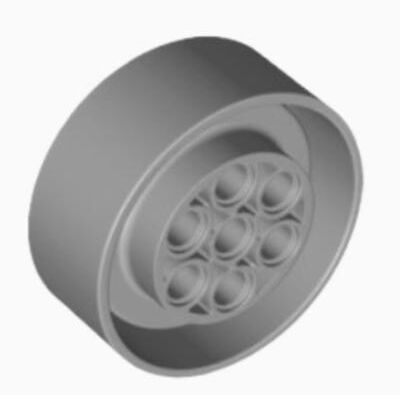
Lush Living Finds Perforated Brick Assembly Toy Accessories With Technology Mechanical Wheels Perforated Brick Assembly Toy Accessories With Technology Mechanical WheelsEnhance Creativity with Technology Mechanical Wheels Unlock the power of innovation with our technology mechanical wheels, designed specifically for perforated brick assembly toy accessories. Whether you are a hobbyist or a seasoned builder, these...43,97 $*Shipping: 0,00 $Secure redirect to the provider
-
Magnum Technology AG4055MT Shock absorberFitting Position: Rear Axle, Front Axle Left, Front Axle Right; Shock Absorber Type: Gas Pressure; Shock Absorber Mounting Type: Bottom eye, Top pin; Shock Absorber Design: Telescopic Shock Absorber; Suspension: for vehicles with standard suspension, for vehicles with sports suspension49,99 £*Shipping: 8,45 £Secure redirect to the provider
-
Magnum Technology M0122 Shock absorberFitting Position: Rear Axle, Front Axle Left, Front Axle Right; Shock Absorber Type: Oil Pressure; Shock Absorber Mounting Type: Top eye, Bottom eye; Length 2 [mm]: 520,8, 865,5; Shock Absorber Design: Telescopic Shock Absorber155,98 £*Shipping: 8,45 £Secure redirect to the provider
-
Is kidney calcification curable?
Kidney calcification is not curable, as it is a permanent condition where calcium deposits form in the kidneys. However, treatment options are available to manage the symptoms and complications associated with kidney calcification. These may include medications to help manage pain or underlying conditions contributing to the calcification, as well as lifestyle changes to help prevent further calcification. It is important to consult with a healthcare provider for proper diagnosis and management of kidney calcification. **
-
What causes the calcification of sodium bicarbonate?
The calcification of sodium bicarbonate occurs when it is exposed to high levels of calcium and magnesium ions in water. These ions react with the bicarbonate ions in sodium bicarbonate to form insoluble calcium and magnesium carbonates. This process is commonly seen in hard water, where the high mineral content leads to the formation of scale or calcification on surfaces such as pipes, appliances, and fixtures. Regular maintenance and the use of water softeners can help prevent the calcification of sodium bicarbonate in water systems. **
-
What causes extreme calcification on the faucet?
Extreme calcification on the faucet is typically caused by hard water. Hard water contains high levels of minerals such as calcium and magnesium, which can build up over time and form a hard, crusty layer on the faucet. This buildup is known as limescale or calcification. The minerals in hard water can also react with soap and other cleaning products, making it more difficult to remove the calcification. Regular cleaning and the use of water softeners can help prevent extreme calcification on faucets. **
-
What is calcification in a horse's leg?
Calcification in a horse's leg refers to the process of calcium deposits forming in the soft tissues of the leg, such as tendons and ligaments. This can occur as a result of injury, inflammation, or stress on the tissues. Over time, these calcium deposits can harden and cause stiffness and reduced flexibility in the affected area, leading to lameness and discomfort for the horse. Proper management and treatment, such as rest, controlled exercise, and veterinary care, are important to help prevent and address calcification in a horse's leg. **
Similar search terms for Calcification
-
Magnum Technology MGS0102 Tailgate strutFitting Position: both sides; Styling: without spoiler; Length [mm]: 560; Stroke [mm]: 221; Extention Force [N]: 290; Colour: black; Housing Diameter [mm]: 18; min. length [mm]: 322; Piston Rod Diameter [mm]: 814,99 £*Shipping: 8,45 £Secure redirect to the provider
-
Magnum Technology SB132 Coil springFitting Position: Rear Axle; Parameter: E; Spring Design: Coil Spring; Thickness 1 [mm]: 13,2; Outer Diameter [mm]: 121; Length [mm]: 377; Diameter: 13,25; Vehicle Equipment: for vehicles with trailer hitch; Suspension: for vehicles without sports suspension99,98 £*Shipping: 8,45 £Secure redirect to the provider
-
Magnum Technology APM025MT Shock absorberShock Absorber Type: Oil Pressure; Shock Absorber Mounting Type: Top yoke; Shock Absorber Design: Telescopic Shock Absorber; Fitting Position: Rear Axle Left; Vehicle Equipment Line/Trim Level: Airmatic; Braking/Driving Dynamics: for vehicles with ADS407,99 £*Shipping: 1,99 £Secure redirect to the provider
-
Magnum Technology MGS3065 Tailgate strutFitting Position: both sides; Colour: black; Styling: without spoiler; Length [mm]: 466,5; Stroke [mm]: 172; Extention Force [N]: 455; Housing Diameter [mm]: 18,5; Piston Rod Diameter [mm]: 8; Construction Year from: 07/201316,49 £*Shipping: 8,45 £Secure redirect to the provider
-
Does vascular calcification (atherosclerosis) only occur in herbivores?
No, vascular calcification, also known as atherosclerosis, can occur in both herbivores and carnivores. Atherosclerosis is a common condition in which plaque builds up inside the arteries, leading to hardening and narrowing of the blood vessels. This can happen in any animal with a cardiovascular system, regardless of their diet. Factors such as genetics, age, and underlying health conditions can contribute to the development of atherosclerosis in both herbivores and carnivores. **
-
Does vascular calcification (arteriosclerosis) only occur in herbivores?
No, vascular calcification, also known as arteriosclerosis, can occur in both herbivores and carnivores. Arteriosclerosis is a condition where calcium deposits build up in the walls of blood vessels, leading to hardening and narrowing of the arteries. This can occur in any animal with blood vessels, regardless of their diet. Factors such as genetics, age, and underlying health conditions can contribute to the development of arteriosclerosis in both herbivores and carnivores. **
-
Can a calcification layer form on the eye?
No, a calcification layer cannot form on the eye. Calcification is the accumulation of calcium salts in a tissue, and the eye does not have the capacity to form such a layer. However, calcification can occur in other parts of the body, such as in the arteries or in the breast tissue. If there are concerns about the health of the eye, it is important to consult with an eye care professional for proper evaluation and treatment. **
-
How can I remove extremely strong calcification from a window?
To remove extremely strong calcification from a window, you can try using a mixture of equal parts white vinegar and water. Soak a cloth in the solution and then place it over the calcified area, allowing it to sit for a few hours. Afterward, scrub the area with a non-abrasive scrubbing pad or brush. If the calcification is still stubborn, you can also try using a commercial lime and scale remover, following the manufacturer's instructions carefully. It's important to wear gloves and work in a well-ventilated area when using strong cleaning products. **
* All prices are inclusive of VAT and, if applicable, plus shipping costs. The offer information is based on the details provided by the respective shop and is updated through automated processes. Real-time updates do not occur, so deviations can occur in individual cases. ** Note: Parts of this content were created by AI.