Buy mannifest.eu ?
We are moving the project
mannifest.eu .
Are you interested in purchasing the domain
mannifest.eu ?
domain@kv-gmbh.de · 0541-91531010
Buy mannifest.eu ?
What does "komischer Deutsch-Türke" mean?
"Komischer Deutsch-Türke" is a German term that translates to "funny German-Turk" in English. It is often used to describe someone who is of Turkish descent but has grown up or lived in Germany, and may exhibit a blend of both cultures in their behavior or identity. The term can sometimes carry a negative connotation, implying that the individual is seen as not fully belonging to either culture. **
Is it "Lern Deutsch" or "Lerne Deutsch"?
The correct phrase is "Lerne Deutsch." "Lerne" is the imperative form of the verb "lernen" (to learn) in the second person singular, which is used when giving a command or instruction. Therefore, when telling someone to learn German, you would use the form "Lerne Deutsch." **

Similar search terms for Deutsch-Türke
Top-Angebote
Products related to Deutsch-Türke:
-
Juicy Couture Wellness MatsMake time in the kitchen more comfortable with the Juicy Couture Wellness Mat. Cushioned anti-fatigue support helps ease pressure during meal prep and cleanup, while the skid-resistant backing helps the mat stay in place.28,99 $*Shipping: 0,00 $Secure redirect to the provider
-
Shark PowerDetect Ultra-Light Corded Stick Vacuum with Detect Technology, Self-Cleaning Brushroll, Odor Neutralizer TechnologyThe POWERDETECT ultra-light corded stick vacuum combines the most powerful suction of any Rocket stick vacuum † and intelligence across corded stick vacuums.319,99 $*Shipping: 0,00 $Secure redirect to the provider



-
What does "Kümmel Türke" actually mean?
"Kümmel Türke" is a German phrase that translates to "cumin Turk" in English. It is a term used to refer to a person of Turkish descent who is involved in the car trade or car repair industry. The term has been criticized for its derogatory and racist connotations, and it is important to be mindful of the language we use to describe others. **
-
'Deutsch e or ä?'
The decision to use ''e'' or ''ä'' in German depends on the specific word and its pronunciation. In general, ''ä'' is used when the sound is more open and pronounced like in the word ''Mädchen'' (girl), while ''e'' is used when the sound is more closed and pronounced like in the word ''Haus'' (house). It is important to pay attention to the pronunciation and spelling rules in German to determine whether to use ''e'' or ''ä'' in a word. **
-
What does "Russlanddeutsche Deutsch" mean?
"Russlanddeutsche Deutsch" refers to the German language spoken by the ethnic Germans who migrated to Russia and later returned to Germany. This dialect is influenced by both German and Russian language and culture, and it has its own unique characteristics and vocabulary. It is spoken by the Russlanddeutsche community, which is a distinct ethnic group within Germany with a rich history and cultural heritage. **
-
What does "Wahlpflicht Deutsch" mean?
"Wahlpflicht Deutsch" means "mandatory elective German" in English. This term is often used in the context of school or university courses, indicating that students are required to choose a German language course as part of their curriculum. It implies that while the specific course is chosen by the student, it is mandatory for them to choose a German language course. **


What does Deutsch als LK mean?
Deutsch als LK stands for "Deutsch als Leistungskurs" in German, which translates to "German as an advanced course" in English. In the German education system, Leistungskurs refers to advanced level courses that students can choose to take in specific subjects, such as German. These courses are more in-depth and require a higher level of proficiency in the subject matter. **
Why is the word "Türke" called "Turkey" in the English language?
The word "Turkey" in English is derived from the Medieval Latin "Turcia," which originally referred to the region of Anatolia in present-day Turkey. When Europeans first encountered the bird we now call the turkey, they mistakenly believed it was related to the birds they knew from Turkey, and thus began calling it "turkey." This misnomer stuck, and today the bird is still called "turkey" in English. **
Top-Angebote
Products related to Deutsch-Türke:
-
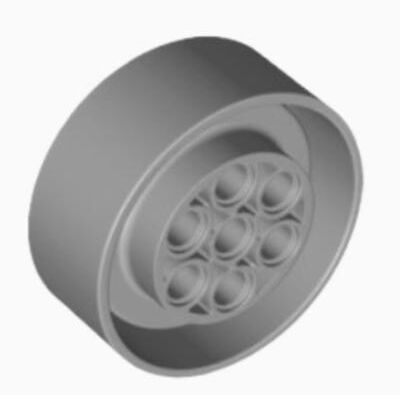
Lush Living Finds Perforated Brick Assembly Toy Accessories With Technology Mechanical Wheels Perforated Brick Assembly Toy Accessories With Technology Mechanical WheelsEnhance Creativity with Technology Mechanical Wheels Unlock the power of innovation with our technology mechanical wheels, designed specifically for perforated brick assembly toy accessories. Whether you are a hobbyist or a seasoned builder, these...43,97 $*Shipping: 0,00 $Secure redirect to the provider
-
Inspire Daily Merch Wooden Flower Buttons Hole Flat Back Buttons For Womens Sweaters Overcoats Apparel Accessories brown 12mmEnhance Your Apparel with 10PCS Wooden Flower Buttons Add a touch of charm to your wardrobe with these 10PCS Wooden Flower Buttons. Designed with a 2hole flatback structure, these beautiful buttons are the perfect addition to your sweaters,...49,97 $*Shipping: 0,00 $Secure redirect to the provider
-
Juicy Couture Wellness MatsMake time in the kitchen more comfortable with the Juicy Couture Wellness Mat. Cushioned anti-fatigue support helps ease pressure during meal prep and cleanup, while the skid-resistant backing helps the mat stay in place.28,99 $*Shipping: 0,00 $Secure redirect to the provider
-
Shark PowerDetect Ultra-Light Corded Stick Vacuum with Detect Technology, Self-Cleaning Brushroll, Odor Neutralizer TechnologyThe POWERDETECT ultra-light corded stick vacuum combines the most powerful suction of any Rocket stick vacuum † and intelligence across corded stick vacuums.319,99 $*Shipping: 0,00 $Secure redirect to the provider
-
What does "komischer Deutsch-Türke" mean?
"Komischer Deutsch-Türke" is a German term that translates to "funny German-Turk" in English. It is often used to describe someone who is of Turkish descent but has grown up or lived in Germany, and may exhibit a blend of both cultures in their behavior or identity. The term can sometimes carry a negative connotation, implying that the individual is seen as not fully belonging to either culture. **
-
Is it "Lern Deutsch" or "Lerne Deutsch"?
The correct phrase is "Lerne Deutsch." "Lerne" is the imperative form of the verb "lernen" (to learn) in the second person singular, which is used when giving a command or instruction. Therefore, when telling someone to learn German, you would use the form "Lerne Deutsch." **
-
What does "Kümmel Türke" actually mean?
"Kümmel Türke" is a German phrase that translates to "cumin Turk" in English. It is a term used to refer to a person of Turkish descent who is involved in the car trade or car repair industry. The term has been criticized for its derogatory and racist connotations, and it is important to be mindful of the language we use to describe others. **
-
'Deutsch e or ä?'
The decision to use ''e'' or ''ä'' in German depends on the specific word and its pronunciation. In general, ''ä'' is used when the sound is more open and pronounced like in the word ''Mädchen'' (girl), while ''e'' is used when the sound is more closed and pronounced like in the word ''Haus'' (house). It is important to pay attention to the pronunciation and spelling rules in German to determine whether to use ''e'' or ''ä'' in a word. **
Similar search terms for Deutsch-Türke
-
What does "Russlanddeutsche Deutsch" mean?
"Russlanddeutsche Deutsch" refers to the German language spoken by the ethnic Germans who migrated to Russia and later returned to Germany. This dialect is influenced by both German and Russian language and culture, and it has its own unique characteristics and vocabulary. It is spoken by the Russlanddeutsche community, which is a distinct ethnic group within Germany with a rich history and cultural heritage. **
-
What does "Wahlpflicht Deutsch" mean?
"Wahlpflicht Deutsch" means "mandatory elective German" in English. This term is often used in the context of school or university courses, indicating that students are required to choose a German language course as part of their curriculum. It implies that while the specific course is chosen by the student, it is mandatory for them to choose a German language course. **
-
What does Deutsch als LK mean?
Deutsch als LK stands for "Deutsch als Leistungskurs" in German, which translates to "German as an advanced course" in English. In the German education system, Leistungskurs refers to advanced level courses that students can choose to take in specific subjects, such as German. These courses are more in-depth and require a higher level of proficiency in the subject matter. **
-
Why is the word "Türke" called "Turkey" in the English language?
The word "Turkey" in English is derived from the Medieval Latin "Turcia," which originally referred to the region of Anatolia in present-day Turkey. When Europeans first encountered the bird we now call the turkey, they mistakenly believed it was related to the birds they knew from Turkey, and thus began calling it "turkey." This misnomer stuck, and today the bird is still called "turkey" in English. **
* All prices are inclusive of VAT and, if applicable, plus shipping costs. The offer information is based on the details provided by the respective shop and is updated through automated processes. Real-time updates do not occur, so deviations can occur in individual cases. ** Note: Parts of this content were created by AI.