Buy mannifest.eu ?
We are moving the project
mannifest.eu .
Are you interested in purchasing the domain
mannifest.eu ?
domain@kv-gmbh.de · 0541-91531010
Buy mannifest.eu ?
Are civilization diseases not genetic diseases?
Civilization diseases, also known as lifestyle diseases, are not genetic diseases. They are primarily caused by unhealthy lifestyle choices such as poor diet, lack of physical activity, smoking, and excessive alcohol consumption. While genetics can play a role in certain civilization diseases, such as type 2 diabetes and heart disease, the primary contributing factors are environmental and behavioral. Therefore, civilization diseases are not solely genetic in nature. **
How do infectious diseases and genetic diseases differ?
Infectious diseases are caused by pathogens such as bacteria, viruses, fungi, or parasites that can be transmitted from one person to another. These diseases are often preventable through measures such as vaccination, proper hygiene, and avoiding contact with infected individuals. On the other hand, genetic diseases are caused by abnormalities in an individual's genetic makeup and are not typically contagious. They are often inherited from one or both parents and can result in a wide range of health issues, from mild to severe. While infectious diseases can be treated with antibiotics or antiviral medications, genetic diseases often require ongoing management and treatment to alleviate symptoms and improve quality of life. **


Similar search terms for Diseases
Top-Angebote
Products related to Diseases:
-
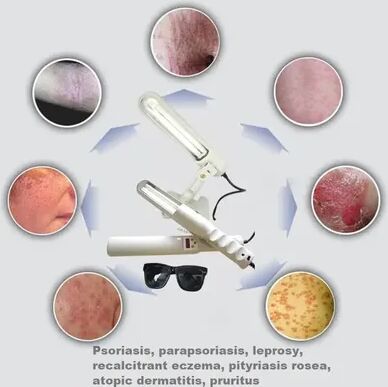
StayWell UV 311nm Ultraviolet Phototherapy Device Uses Philips Lamp UVB To Treat Vitiligo, Psoriasis, White Spots, Skin Diseases 110v Us PlugExperience targeted relief with our UV 311nm Ultraviolet Phototherapy Device Uses a precisionengineered Philips UVB lamp to combat vitiligo, psoriasis, white spots and other stubborn skin diseases. Designed for both home and clinical settings, this...169,97 $*Shipping: 0,00 $Secure redirect to the provider
-
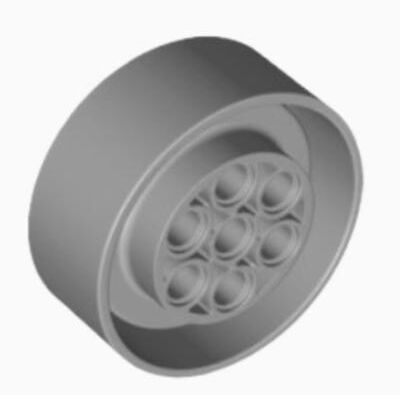
Lush Living Finds Perforated Brick Assembly Toy Accessories With Technology Mechanical Wheels Perforated Brick Assembly Toy Accessories With Technology Mechanical WheelsEnhance Creativity with Technology Mechanical Wheels Unlock the power of innovation with our technology mechanical wheels, designed specifically for perforated brick assembly toy accessories. Whether you are a hobbyist or a seasoned builder, these...43,97 $*Shipping: 0,00 $Secure redirect to the provider
-
Inspire Daily Merch Wooden Flower Buttons Hole Flat Back Buttons For Womens Sweaters Overcoats Apparel Accessories black 18mmEnhance Your Apparel with 10PCS Wooden Flower Buttons Add a touch of charm to your wardrobe with these 10PCS Wooden Flower Buttons. Designed with a 2hole flatback structure, these beautiful buttons are the perfect addition to your sweaters,...49,97 $*Shipping: 0,00 $Secure redirect to the provider
-
Magnum Technology AG4055MT Shock absorberFitting Position: Rear Axle, Front Axle Left, Front Axle Right; Shock Absorber Type: Gas Pressure; Shock Absorber Mounting Type: Bottom eye, Top pin; Shock Absorber Design: Telescopic Shock Absorber; Suspension: for vehicles with standard suspension, for vehicles with sports suspension49,99 £*Shipping: 8,45 £Secure redirect to the provider


-
What is the comparison between genetically inherited diseases and infectious diseases?
Genetically inherited diseases are caused by abnormalities in an individual's genetic makeup, which are passed down from their parents. These diseases are not contagious and cannot be spread from person to person. On the other hand, infectious diseases are caused by pathogens such as bacteria, viruses, or fungi, and can be transmitted from one person to another through various means such as direct contact, airborne particles, or contaminated food and water. While both types of diseases can have serious health implications, the methods of transmission and underlying causes are different. **
-
Can horseflies transmit diseases?
Yes, horseflies can transmit diseases to humans and animals through their bites. They are known to carry and transmit diseases such as equine infectious anemia and tularemia. Horsefly bites can also lead to secondary infections due to the bacteria they carry on their mouthparts. It is important to take precautions to prevent horsefly bites, especially in areas where they are prevalent. **
-
Are autoimmune diseases hereditary?
Autoimmune diseases can have a genetic component, meaning they can run in families. Having a family history of autoimmune diseases can increase the likelihood of developing one. However, genetics is not the only factor that contributes to the development of autoimmune diseases. Environmental factors, such as infections, diet, and exposure to toxins, also play a role in triggering autoimmune responses. **
-
What are tree diseases?
Tree diseases are illnesses that affect the health and vitality of trees. These diseases can be caused by various factors such as fungi, bacteria, viruses, and environmental stressors. Common tree diseases include Dutch elm disease, oak wilt, and chestnut blight. Symptoms of tree diseases can include wilting, discoloration, and abnormal growth patterns. Proper diagnosis and treatment are important in managing tree diseases to prevent the spread and minimize damage to the affected trees. **


Do cats transmit diseases?
Yes, cats can transmit diseases to humans. Some common diseases that can be transmitted from cats to humans include toxoplasmosis, cat scratch fever, and ringworm. It is important to practice good hygiene, such as washing hands after handling cats or their litter, to reduce the risk of disease transmission. Additionally, keeping cats up to date on vaccinations and regular veterinary check-ups can help prevent the spread of diseases. **
Can cats smell diseases?
Yes, cats have a strong sense of smell and are able to detect certain diseases in humans. Research has shown that cats can detect chemical changes in the body that are associated with certain illnesses, such as cancer and diabetes. While they may not be able to diagnose a specific disease, their keen sense of smell can alert them to changes in a person's body odor that may indicate an underlying health issue. However, it's important to note that cats should not be relied upon as a primary means of diagnosing diseases, and any concerns about health should be addressed by a medical professional. **
Top-Angebote
Products related to Diseases:
-
DK RHS Pruning & Training, RHS Propagating Plants, RHS Pests & Diseases 3 Books Collection SetRHS Pruning & Training, RHS Propagating Plants, RHS Pests & Diseases 3 Books Collection Set: RHS Pruning & Training: Learn how to prune and train fruit bushes, fruit trees, roses, and woody ornamentals with this best-selling plant-by-plant guide - now in its 4th edition. RHS Propagating Plants: Learn how to propagate virtually every type of plant, from fruit trees and ornamental shrubs to exotic orchids and succulents. Packed with hundreds of step-by-step tutorials, this new edition of RHS Propagating Plants is your go-to guide for clear and instructive propagation advice. RHS Pests & Diseases: Have you got a plant with a problem and don't know how to fix it? This unrivalled practical reference is all you need to nurse it back to health.25,99 £*Shipping: 2,99 £Secure redirect to the provider
-
DK RHS Pests and Diseases The Definitive Practical Guide to Identifying and Treating Garden ProblemsKeep your garden healthy and thriving with RHS Pests and Diseases, the essential reference guide for identifying, understanding, and treating common garden problems.Published by the Royal Horticultural Society, this trusted handbook combines expert advice, detailed photographs, and practical solutions to help gardeners tackle issues affecting flowers, fruit, vegetables, trees, and houseplants. Discover how to recognize symptoms, diagnose causes, and choose the most effective organic or chemical treatments. Whether it’s aphids on roses, mildew on tomatoes, or mysterious leaf spots, this book provides clear, step-by-step guidance to restore your garden to good health. Perfect for beginners and experienced gardeners alike, RHS Pests and Diseases is an indispensable companion for anyone serious about successful, sustainable gardening. Comprehensive A–Z reference of pests, diseases, and disorders Over 1,000 color photographs for easy plant problem identification Expert advice from the Royal Horticultural Society Covers flowers, vegetables, fruit, shrubs, lawns, and houseplants Essential gardening guide for diagnosing and treating problems effectively6,49 £*Shipping: 2,99 £Secure redirect to the provider
-
StayWell UV 311nm Ultraviolet Phototherapy Device Uses Philips Lamp UVB To Treat Vitiligo, Psoriasis, White Spots, Skin Diseases 110v Us PlugExperience targeted relief with our UV 311nm Ultraviolet Phototherapy Device Uses a precisionengineered Philips UVB lamp to combat vitiligo, psoriasis, white spots and other stubborn skin diseases. Designed for both home and clinical settings, this...169,97 $*Shipping: 0,00 $Secure redirect to the provider
-
Lush Living Finds Perforated Brick Assembly Toy Accessories With Technology Mechanical Wheels Perforated Brick Assembly Toy Accessories With Technology Mechanical WheelsEnhance Creativity with Technology Mechanical Wheels Unlock the power of innovation with our technology mechanical wheels, designed specifically for perforated brick assembly toy accessories. Whether you are a hobbyist or a seasoned builder, these...43,97 $*Shipping: 0,00 $Secure redirect to the provider
-
Are civilization diseases not genetic diseases?
Civilization diseases, also known as lifestyle diseases, are not genetic diseases. They are primarily caused by unhealthy lifestyle choices such as poor diet, lack of physical activity, smoking, and excessive alcohol consumption. While genetics can play a role in certain civilization diseases, such as type 2 diabetes and heart disease, the primary contributing factors are environmental and behavioral. Therefore, civilization diseases are not solely genetic in nature. **
-
How do infectious diseases and genetic diseases differ?
Infectious diseases are caused by pathogens such as bacteria, viruses, fungi, or parasites that can be transmitted from one person to another. These diseases are often preventable through measures such as vaccination, proper hygiene, and avoiding contact with infected individuals. On the other hand, genetic diseases are caused by abnormalities in an individual's genetic makeup and are not typically contagious. They are often inherited from one or both parents and can result in a wide range of health issues, from mild to severe. While infectious diseases can be treated with antibiotics or antiviral medications, genetic diseases often require ongoing management and treatment to alleviate symptoms and improve quality of life. **
-
What is the comparison between genetically inherited diseases and infectious diseases?
Genetically inherited diseases are caused by abnormalities in an individual's genetic makeup, which are passed down from their parents. These diseases are not contagious and cannot be spread from person to person. On the other hand, infectious diseases are caused by pathogens such as bacteria, viruses, or fungi, and can be transmitted from one person to another through various means such as direct contact, airborne particles, or contaminated food and water. While both types of diseases can have serious health implications, the methods of transmission and underlying causes are different. **
-
Can horseflies transmit diseases?
Yes, horseflies can transmit diseases to humans and animals through their bites. They are known to carry and transmit diseases such as equine infectious anemia and tularemia. Horsefly bites can also lead to secondary infections due to the bacteria they carry on their mouthparts. It is important to take precautions to prevent horsefly bites, especially in areas where they are prevalent. **
Similar search terms for Diseases
-
Inspire Daily Merch Wooden Flower Buttons Hole Flat Back Buttons For Womens Sweaters Overcoats Apparel Accessories black 18mmEnhance Your Apparel with 10PCS Wooden Flower Buttons Add a touch of charm to your wardrobe with these 10PCS Wooden Flower Buttons. Designed with a 2hole flatback structure, these beautiful buttons are the perfect addition to your sweaters,...49,97 $*Shipping: 0,00 $Secure redirect to the provider
-
Magnum Technology AG4055MT Shock absorberFitting Position: Rear Axle, Front Axle Left, Front Axle Right; Shock Absorber Type: Gas Pressure; Shock Absorber Mounting Type: Bottom eye, Top pin; Shock Absorber Design: Telescopic Shock Absorber; Suspension: for vehicles with standard suspension, for vehicles with sports suspension49,99 £*Shipping: 8,45 £Secure redirect to the provider
-
Magnum Technology M0122 Shock absorberFitting Position: Rear Axle, Front Axle Left, Front Axle Right; Shock Absorber Type: Oil Pressure; Shock Absorber Mounting Type: Top eye, Bottom eye; Length 2 [mm]: 520,8, 865,5; Shock Absorber Design: Telescopic Shock Absorber155,98 £*Shipping: 8,45 £Secure redirect to the provider
-
Are autoimmune diseases hereditary?
Autoimmune diseases can have a genetic component, meaning they can run in families. Having a family history of autoimmune diseases can increase the likelihood of developing one. However, genetics is not the only factor that contributes to the development of autoimmune diseases. Environmental factors, such as infections, diet, and exposure to toxins, also play a role in triggering autoimmune responses. **
-
What are tree diseases?
Tree diseases are illnesses that affect the health and vitality of trees. These diseases can be caused by various factors such as fungi, bacteria, viruses, and environmental stressors. Common tree diseases include Dutch elm disease, oak wilt, and chestnut blight. Symptoms of tree diseases can include wilting, discoloration, and abnormal growth patterns. Proper diagnosis and treatment are important in managing tree diseases to prevent the spread and minimize damage to the affected trees. **
-
Do cats transmit diseases?
Yes, cats can transmit diseases to humans. Some common diseases that can be transmitted from cats to humans include toxoplasmosis, cat scratch fever, and ringworm. It is important to practice good hygiene, such as washing hands after handling cats or their litter, to reduce the risk of disease transmission. Additionally, keeping cats up to date on vaccinations and regular veterinary check-ups can help prevent the spread of diseases. **
-
Can cats smell diseases?
Yes, cats have a strong sense of smell and are able to detect certain diseases in humans. Research has shown that cats can detect chemical changes in the body that are associated with certain illnesses, such as cancer and diabetes. While they may not be able to diagnose a specific disease, their keen sense of smell can alert them to changes in a person's body odor that may indicate an underlying health issue. However, it's important to note that cats should not be relied upon as a primary means of diagnosing diseases, and any concerns about health should be addressed by a medical professional. **
* All prices are inclusive of VAT and, if applicable, plus shipping costs. The offer information is based on the details provided by the respective shop and is updated through automated processes. Real-time updates do not occur, so deviations can occur in individual cases. ** Note: Parts of this content were created by AI.