Buy mannifest.eu ?
We are moving the project
mannifest.eu .
Are you interested in purchasing the domain
mannifest.eu ?
domain@kv-gmbh.de · 0541-91531010
Buy mannifest.eu ?
What is self-mummification?
Self-mummification, also known as sokushinbutsu, is a process practiced by Buddhist monks in Japan during the 11th to 19th centuries. It involves a strict diet and meditation regimen to eliminate body fat and moisture, followed by being buried alive in a small underground chamber with a breathing tube and bell. The monk would continue meditating until death, at which point the tomb would be sealed. Over several years, the body would naturally mummify due to the lack of moisture and oxygen, resulting in a preserved and revered relic. This practice was believed to demonstrate the monk's spiritual enlightenment and dedication to the path of enlightenment. **
What is the difference between mummification and embalming?
Mummification and embalming are both processes used to preserve a body after death, but they have different cultural and historical origins. Mummification is a method of preservation that was practiced in ancient Egypt, where the body was dehydrated and wrapped in linen bandages. Embalming, on the other hand, is a more modern process that involves the use of chemicals to temporarily preserve the body for viewing at a funeral or memorial service. While mummification was associated with religious beliefs and the afterlife in ancient Egypt, embalming is often used in contemporary Western cultures for practical and aesthetic reasons. **

Similar search terms for Mummification
Top-Angebote
Products related to Mummification:
-
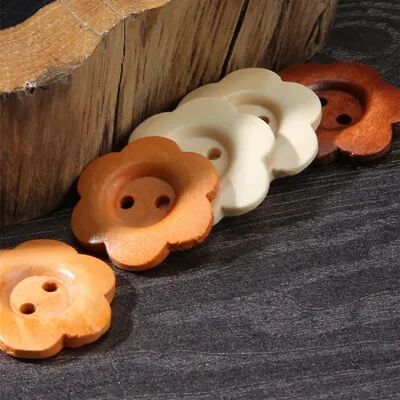
Inspire Daily Merch Wooden Flower Buttons Hole Flat Back Buttons For Womens Sweaters Overcoats Apparel Accessories brown 12mmEnhance Your Apparel with 10PCS Wooden Flower Buttons Add a touch of charm to your wardrobe with these 10PCS Wooden Flower Buttons. Designed with a 2hole flatback structure, these beautiful buttons are the perfect addition to your sweaters,...49,97 $*Shipping: 0,00 $Secure redirect to the provider
-
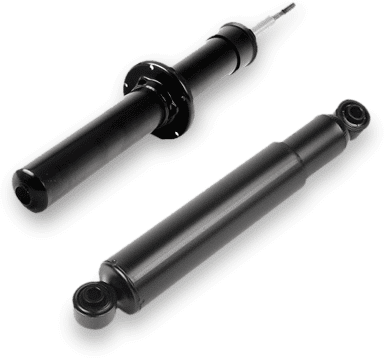
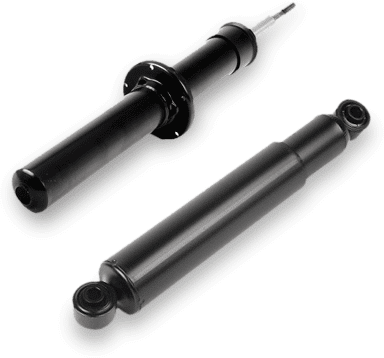
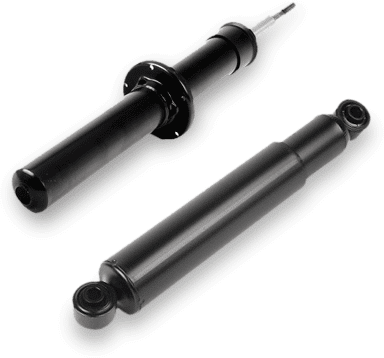
Magnum Technology M0003 Shock absorberMounting points diameter [mm]: 16; Fitting Position: Front Axle; Pipe Diameter [mm]: 53, 45; Required quantity: 2; Shock Absorber Type: Oil Pressure; Shock Absorber Design: Suspension Strut; Shock Absorber Mounting Type: Top eye; Diameter: 16; Length 2 [mm]: 296, 451; Engine Code: 81404758,98 £*Shipping: 8,45 £Secure redirect to the provider
-
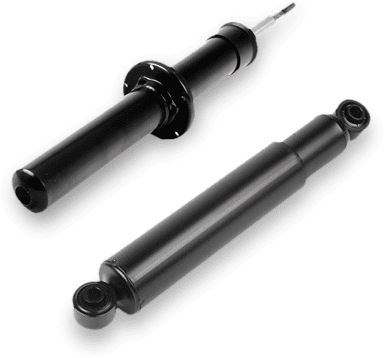
Magnum Technology AGR056MT Shock absorberFitting Position: Front Axle; Shock Absorber Type: Gas Pressure; Shock Absorber Design: Suspension Strut; Shock Absorber System: Twin-Tube; Shock Absorber Mounting Type: Top pin; Suspension: for vehicles without sports suspension112,98 £*Shipping: 8,45 £Secure redirect to the provider
-
Magnum Technology AGF085MT Shock absorberShock Absorber Type: Gas Pressure; Shock Absorber Design: Suspension Strut; Shock Absorber System: Twin-Tube; Fitting Position: Front Axle Left; Shock Absorber Mounting Type: Top pin; Suspension: for vehicles with standard suspension47,49 £*Shipping: 8,45 £Secure redirect to the provider

-
What do you think of mummification with duct tape?
Mummification with duct tape is not a traditional or historically accurate method of preserving a body. Duct tape is not designed for this purpose and may not effectively prevent decomposition. It is important to respect cultural practices and use proper methods when handling human remains. **
-
What do you think about mummification with duct tape?
Mummification with duct tape seems like a creative and unconventional approach to preserving a body. However, it is not a traditional or scientifically proven method of mummification. The use of duct tape may not provide the same level of preservation and care as the ancient Egyptian mummification process, which involved removing organs and using natural preservatives. It's important to approach the topic with respect for cultural traditions and scientific methods of preservation. **
-
Was mummification in ancient Egypt also a punishment for criminals?
No, mummification in ancient Egypt was not a punishment for criminals. Mummification was a sacred and ritualistic process that was reserved for the elite and those of high social status, such as pharaohs, nobles, and priests. It was believed to be a way to preserve the body for the afterlife and ensure the individual's continued existence in the next world. Criminals and lower-class individuals were typically buried in simpler graves without the elaborate mummification process. **
-
Were Egyptian mummies wealthy before mummification, or could anyone be mummified?
In ancient Egypt, mummification was a practice available to individuals from various social classes, not just the wealthy. While wealthier individuals could afford more elaborate mummification processes and burial goods, mummification was not exclusive to the wealthy. Commoners and individuals of lower social status could also be mummified, although their mummification process and burial would likely be simpler in comparison to those of the wealthy. The belief in the afterlife and the preservation of the body through mummification was an important aspect of Egyptian culture, accessible to a range of individuals in society. **
Were Egyptian mummies rich before mummification, or could anyone be mummified?
In ancient Egypt, mummification was a practice that was primarily reserved for the wealthy and elite members of society. The process of mummification was expensive and time-consuming, involving various rituals and preservation techniques. Therefore, only those who could afford it, such as pharaohs, nobles, and high-ranking officials, were mummified. Common people in ancient Egypt were typically buried in simpler graves without the elaborate mummification process. **
Why were the organs removed during mummification, but not the heart?
The organs were removed during mummification because they were believed to be unnecessary in the afterlife, and the removal also helped to prevent decay. However, the heart was left in place because it was considered to be the center of a person's being and the source of their emotions and intellect. It was believed that the heart would be needed in the afterlife for the individual to be able to speak and think. Therefore, the heart was left intact and preserved in the body during the mummification process. **
Top-Angebote
Products related to Mummification:
-
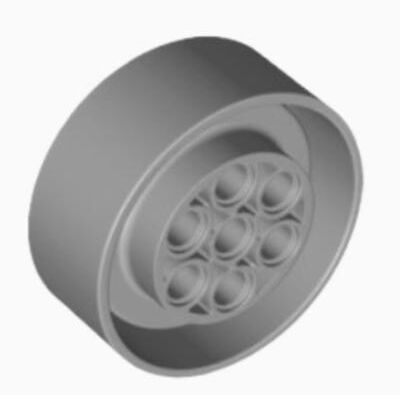
Lush Living Finds Perforated Brick Assembly Toy Accessories With Technology Mechanical Wheels Perforated Brick Assembly Toy Accessories With Technology Mechanical WheelsEnhance Creativity with Technology Mechanical Wheels Unlock the power of innovation with our technology mechanical wheels, designed specifically for perforated brick assembly toy accessories. Whether you are a hobbyist or a seasoned builder, these...43,97 $*Shipping: 0,00 $Secure redirect to the provider
-
Nutergia Ergykid Wellness 150 mlNutrition and Supplements Special supplements Nutergia Ergykid Wellness 150 ml A unique synergy combining relaxing herbs (chamomile and marjoram), minerals (iron and magnesium), and vitamin B6 for the well-being of children ages 3 and up. The formula has been scientifically developed to meet the specific needs of children, with doses tailored to nutritional guidelines. This ready-to-use, child-tested, blackcurrant-flavored solution incorporates agave syrup, which has a low glycemic index. Iron contributes to maintaining normal cognitive development in children. Chamomile, which is relaxing, helps maintain nervous balance. Directions for use: 3 to 6 years: 5 ml/day, morning or night.\ Over 6 years: 10 ml/day, morning or night.12,96 £*Shipping: 3,99 £Secure redirect to the provider
-
Inspire Daily Merch Wooden Flower Buttons Hole Flat Back Buttons For Womens Sweaters Overcoats Apparel Accessories brown 12mmEnhance Your Apparel with 10PCS Wooden Flower Buttons Add a touch of charm to your wardrobe with these 10PCS Wooden Flower Buttons. Designed with a 2hole flatback structure, these beautiful buttons are the perfect addition to your sweaters,...49,97 $*Shipping: 0,00 $Secure redirect to the provider
-
Magnum Technology M0003 Shock absorberMounting points diameter [mm]: 16; Fitting Position: Front Axle; Pipe Diameter [mm]: 53, 45; Required quantity: 2; Shock Absorber Type: Oil Pressure; Shock Absorber Design: Suspension Strut; Shock Absorber Mounting Type: Top eye; Diameter: 16; Length 2 [mm]: 296, 451; Engine Code: 81404758,98 £*Shipping: 8,45 £Secure redirect to the provider
-
What is self-mummification?
Self-mummification, also known as sokushinbutsu, is a process practiced by Buddhist monks in Japan during the 11th to 19th centuries. It involves a strict diet and meditation regimen to eliminate body fat and moisture, followed by being buried alive in a small underground chamber with a breathing tube and bell. The monk would continue meditating until death, at which point the tomb would be sealed. Over several years, the body would naturally mummify due to the lack of moisture and oxygen, resulting in a preserved and revered relic. This practice was believed to demonstrate the monk's spiritual enlightenment and dedication to the path of enlightenment. **
-
What is the difference between mummification and embalming?
Mummification and embalming are both processes used to preserve a body after death, but they have different cultural and historical origins. Mummification is a method of preservation that was practiced in ancient Egypt, where the body was dehydrated and wrapped in linen bandages. Embalming, on the other hand, is a more modern process that involves the use of chemicals to temporarily preserve the body for viewing at a funeral or memorial service. While mummification was associated with religious beliefs and the afterlife in ancient Egypt, embalming is often used in contemporary Western cultures for practical and aesthetic reasons. **
-
What do you think of mummification with duct tape?
Mummification with duct tape is not a traditional or historically accurate method of preserving a body. Duct tape is not designed for this purpose and may not effectively prevent decomposition. It is important to respect cultural practices and use proper methods when handling human remains. **
-
What do you think about mummification with duct tape?
Mummification with duct tape seems like a creative and unconventional approach to preserving a body. However, it is not a traditional or scientifically proven method of mummification. The use of duct tape may not provide the same level of preservation and care as the ancient Egyptian mummification process, which involved removing organs and using natural preservatives. It's important to approach the topic with respect for cultural traditions and scientific methods of preservation. **
Similar search terms for Mummification
-
Magnum Technology AGR056MT Shock absorberFitting Position: Front Axle; Shock Absorber Type: Gas Pressure; Shock Absorber Design: Suspension Strut; Shock Absorber System: Twin-Tube; Shock Absorber Mounting Type: Top pin; Suspension: for vehicles without sports suspension112,98 £*Shipping: 8,45 £Secure redirect to the provider
-
Magnum Technology AGF085MT Shock absorberShock Absorber Type: Gas Pressure; Shock Absorber Design: Suspension Strut; Shock Absorber System: Twin-Tube; Fitting Position: Front Axle Left; Shock Absorber Mounting Type: Top pin; Suspension: for vehicles with standard suspension47,49 £*Shipping: 8,45 £Secure redirect to the provider
-
Magnum Technology AGF026MT Shock absorberFitting Position: Front Axle; Shock Absorber Type: Gas Pressure; Shock Absorber Design: Suspension Strut; Shock Absorber System: Twin-Tube; Shock Absorber Mounting Type: Top pin, Bottom Plate; Construction Year from: 01/1996; Vehicle Identification Number (VIN) from: 4085698; Construction Year to: 12/2001104,98 £*Shipping: 8,45 £Secure redirect to the provider
-
Magnum Technology AGM010MT Shock absorberFitting Position: Rear Axle; Shock Absorber System: Monotube; Shock Absorber Mounting Type: Top pin, Bottom Yoke; Shock Absorber Type: Gas Pressure; Shock Absorber Design: Suspension Strut; Construction Year from: 01/1971; Construction Year to: 12/1976, 12/1984; Vehicle Equipment: for vehicles without level control86,98 £*Shipping: 8,45 £Secure redirect to the provider
-
Was mummification in ancient Egypt also a punishment for criminals?
No, mummification in ancient Egypt was not a punishment for criminals. Mummification was a sacred and ritualistic process that was reserved for the elite and those of high social status, such as pharaohs, nobles, and priests. It was believed to be a way to preserve the body for the afterlife and ensure the individual's continued existence in the next world. Criminals and lower-class individuals were typically buried in simpler graves without the elaborate mummification process. **
-
Were Egyptian mummies wealthy before mummification, or could anyone be mummified?
In ancient Egypt, mummification was a practice available to individuals from various social classes, not just the wealthy. While wealthier individuals could afford more elaborate mummification processes and burial goods, mummification was not exclusive to the wealthy. Commoners and individuals of lower social status could also be mummified, although their mummification process and burial would likely be simpler in comparison to those of the wealthy. The belief in the afterlife and the preservation of the body through mummification was an important aspect of Egyptian culture, accessible to a range of individuals in society. **
-
Were Egyptian mummies rich before mummification, or could anyone be mummified?
In ancient Egypt, mummification was a practice that was primarily reserved for the wealthy and elite members of society. The process of mummification was expensive and time-consuming, involving various rituals and preservation techniques. Therefore, only those who could afford it, such as pharaohs, nobles, and high-ranking officials, were mummified. Common people in ancient Egypt were typically buried in simpler graves without the elaborate mummification process. **
-
Why were the organs removed during mummification, but not the heart?
The organs were removed during mummification because they were believed to be unnecessary in the afterlife, and the removal also helped to prevent decay. However, the heart was left in place because it was considered to be the center of a person's being and the source of their emotions and intellect. It was believed that the heart would be needed in the afterlife for the individual to be able to speak and think. Therefore, the heart was left intact and preserved in the body during the mummification process. **
* All prices are inclusive of VAT and, if applicable, plus shipping costs. The offer information is based on the details provided by the respective shop and is updated through automated processes. Real-time updates do not occur, so deviations can occur in individual cases. ** Note: Parts of this content were created by AI.