Buy mannifest.eu ?
We are moving the project
mannifest.eu .
Are you interested in purchasing the domain
mannifest.eu ?
domain@kv-gmbh.de · 0541-91531010
Buy mannifest.eu ?
Why are interest rates and inflation rates not direct economic indicators?
Interest rates and inflation rates are not direct economic indicators because they are not measures of actual economic activity. Instead, they are tools used by central banks to influence economic conditions. Interest rates are set by central banks to control the cost of borrowing and spending in the economy, while inflation rates measure the rate of change in the general price level of goods and services. While these factors are important in understanding the overall health of an economy, they are not direct measures of economic output or productivity. Instead, they are used as policy tools to manage economic conditions. **
What are interest rates?
Interest rates are the cost of borrowing money, typically expressed as a percentage. They represent the amount charged by a lender to a borrower for the use of their money. Interest rates can vary based on factors such as the borrower's creditworthiness, the type of loan, and prevailing market conditions. Higher interest rates generally indicate greater risk for the lender and can impact the overall cost of borrowing for individuals and businesses. **

Similar search terms for Rates
Top-Angebote
Products related to Rates:




-
Are interest rates immoral?
Interest rates themselves are not inherently immoral, as they serve as a mechanism for lenders to earn a return on their investment and for borrowers to access capital. However, the morality of interest rates can be called into question when they are excessively high and exploit vulnerable individuals or communities. It is important for interest rates to be fair and transparent, and for lenders to consider the ethical implications of their lending practices. Ultimately, the morality of interest rates depends on how they are used and the impact they have on borrowers and society as a whole. **
-
What are birth rates?
Birth rates refer to the number of live births per 1,000 people in a given population over a specific period of time, usually one year. It is a key demographic indicator that helps to understand population growth and changes. Birth rates can be influenced by various factors such as social, economic, and cultural factors, as well as government policies and healthcare access. Monitoring birth rates is important for understanding population trends and planning for future social and economic needs. **
-
What are mortality rates?
Mortality rates refer to the number of deaths within a specific population over a defined period of time, usually expressed as a rate per 1,000 or 100,000 people. These rates are used to measure the frequency of deaths within a population and can provide important insights into the overall health and well-being of a community. Mortality rates are often used in public health research and policy-making to assess the impact of diseases, injuries, and other health-related factors on a population. **
-
How do interest rates work?
Interest rates represent the cost of borrowing money or the return on investment. When you borrow money, you pay interest to the lender as compensation for using their funds. The interest rate is typically expressed as a percentage of the total amount borrowed. Higher interest rates mean higher borrowing costs, while lower interest rates make borrowing more affordable. Interest rates are influenced by various factors, including inflation, economic conditions, and central bank policies. **


What are the murder rates?
The murder rates vary widely by country and region. In some countries, the murder rate is very low, while in others it is much higher. Factors such as socioeconomic conditions, access to firearms, and the effectiveness of law enforcement can all contribute to differences in murder rates. It is important to consider these factors when comparing murder rates between different countries and regions. **
Flexible exchange rates or fixed?
The choice between flexible exchange rates and fixed exchange rates depends on a country's specific economic circumstances and policy objectives. Flexible exchange rates allow for automatic adjustments to external shocks and can help maintain competitiveness, but they may also lead to exchange rate volatility. On the other hand, fixed exchange rates provide stability and predictability for international trade and investment, but they require a commitment to maintaining the exchange rate peg and may limit a country's ability to pursue independent monetary policy. Ultimately, the choice between flexible and fixed exchange rates should be based on a careful consideration of the trade-offs and the specific needs of the economy. **
Top-Angebote
Products related to Rates:
-
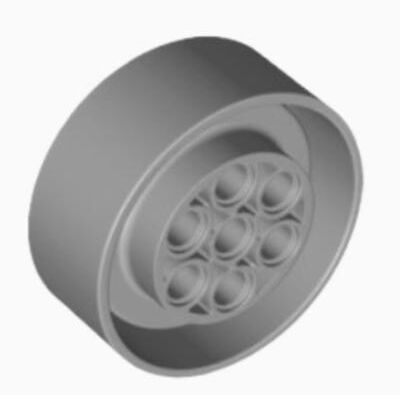
Lush Living Finds Perforated Brick Assembly Toy Accessories With Technology Mechanical Wheels Perforated Brick Assembly Toy Accessories With Technology Mechanical WheelsEnhance Creativity with Technology Mechanical Wheels Unlock the power of innovation with our technology mechanical wheels, designed specifically for perforated brick assembly toy accessories. Whether you are a hobbyist or a seasoned builder, these...43,97 $*Shipping: 0,00 $Secure redirect to the provider
-
Inspire Daily Merch Wooden Flower Buttons Hole Flat Back Buttons For Womens Sweaters Overcoats Apparel Accessories brown 12mmEnhance Your Apparel with 10PCS Wooden Flower Buttons Add a touch of charm to your wardrobe with these 10PCS Wooden Flower Buttons. Designed with a 2hole flatback structure, these beautiful buttons are the perfect addition to your sweaters,...49,97 $*Shipping: 0,00 $Secure redirect to the provider
-
Why are interest rates and inflation rates not direct economic indicators?
Interest rates and inflation rates are not direct economic indicators because they are not measures of actual economic activity. Instead, they are tools used by central banks to influence economic conditions. Interest rates are set by central banks to control the cost of borrowing and spending in the economy, while inflation rates measure the rate of change in the general price level of goods and services. While these factors are important in understanding the overall health of an economy, they are not direct measures of economic output or productivity. Instead, they are used as policy tools to manage economic conditions. **
-
What are interest rates?
Interest rates are the cost of borrowing money, typically expressed as a percentage. They represent the amount charged by a lender to a borrower for the use of their money. Interest rates can vary based on factors such as the borrower's creditworthiness, the type of loan, and prevailing market conditions. Higher interest rates generally indicate greater risk for the lender and can impact the overall cost of borrowing for individuals and businesses. **
-
Are interest rates immoral?
Interest rates themselves are not inherently immoral, as they serve as a mechanism for lenders to earn a return on their investment and for borrowers to access capital. However, the morality of interest rates can be called into question when they are excessively high and exploit vulnerable individuals or communities. It is important for interest rates to be fair and transparent, and for lenders to consider the ethical implications of their lending practices. Ultimately, the morality of interest rates depends on how they are used and the impact they have on borrowers and society as a whole. **
-
What are birth rates?
Birth rates refer to the number of live births per 1,000 people in a given population over a specific period of time, usually one year. It is a key demographic indicator that helps to understand population growth and changes. Birth rates can be influenced by various factors such as social, economic, and cultural factors, as well as government policies and healthcare access. Monitoring birth rates is important for understanding population trends and planning for future social and economic needs. **
Similar search terms for Rates
-
Uplift Essentials 8 Piece Professional Cat Grooming & Wellness Kit 8 Piece Professional Cat Grooming & Wellness KitMaster your pets hygiene at home with a comprehensive, salonquality toolset. This 8Piece Cat Beauty Kit is a professionalgrade collection designed to handle everything from daily deshedding and nail maintenance to deepcleaning baths. Featuring a...62,97 $*Shipping: 0,00 $Secure redirect to the provider
-
Metro Aspire Homeware Cream Geometric Area Rug Cream 160x230cmAdd warmth and elegance to your home with the Aspire Homeware Cream Geometric Area Rug. Featuring a contemporary zigzag trellis pattern with a soft neutral cream tone, this stylish indoor rug blends perfectly with modern, Scandinavian, and minimalist décor. Crafted from durable polyester synthetic fibers with a plush low-pile texture, this machine-woven rug is stain resistant, non-shedding, pet friendly, and easy to clean. The non-slip polypropylene backing helps keep the rug secure, making it ideal for living rooms, bedrooms, hallways, offices, kitchens, and other high-traffic indoor spaces. Metro Lane Rug Size: 160x230cm, Colour: Cream55,99 £*Shipping: 4,99 £Secure redirect to the provider
-
What are mortality rates?
Mortality rates refer to the number of deaths within a specific population over a defined period of time, usually expressed as a rate per 1,000 or 100,000 people. These rates are used to measure the frequency of deaths within a population and can provide important insights into the overall health and well-being of a community. Mortality rates are often used in public health research and policy-making to assess the impact of diseases, injuries, and other health-related factors on a population. **
-
How do interest rates work?
Interest rates represent the cost of borrowing money or the return on investment. When you borrow money, you pay interest to the lender as compensation for using their funds. The interest rate is typically expressed as a percentage of the total amount borrowed. Higher interest rates mean higher borrowing costs, while lower interest rates make borrowing more affordable. Interest rates are influenced by various factors, including inflation, economic conditions, and central bank policies. **
-
What are the murder rates?
The murder rates vary widely by country and region. In some countries, the murder rate is very low, while in others it is much higher. Factors such as socioeconomic conditions, access to firearms, and the effectiveness of law enforcement can all contribute to differences in murder rates. It is important to consider these factors when comparing murder rates between different countries and regions. **
-
Flexible exchange rates or fixed?
The choice between flexible exchange rates and fixed exchange rates depends on a country's specific economic circumstances and policy objectives. Flexible exchange rates allow for automatic adjustments to external shocks and can help maintain competitiveness, but they may also lead to exchange rate volatility. On the other hand, fixed exchange rates provide stability and predictability for international trade and investment, but they require a commitment to maintaining the exchange rate peg and may limit a country's ability to pursue independent monetary policy. Ultimately, the choice between flexible and fixed exchange rates should be based on a careful consideration of the trade-offs and the specific needs of the economy. **
* All prices are inclusive of VAT and, if applicable, plus shipping costs. The offer information is based on the details provided by the respective shop and is updated through automated processes. Real-time updates do not occur, so deviations can occur in individual cases. ** Note: Parts of this content were created by AI.