Buy mannifest.eu ?
We are moving the project
mannifest.eu .
Are you interested in purchasing the domain
mannifest.eu ?
domain@kv-gmbh.de · 0541-91531010
Buy mannifest.eu ?
Are slugs poisonous?
Slugs are not poisonous, but some species of slugs can produce toxins that are harmful to other animals if ingested. These toxins are usually used as a defense mechanism against predators. It is important to wash your hands after handling slugs, as their slime can potentially carry harmful bacteria. Overall, while slugs are not poisonous to humans, it is still best to avoid direct contact with them. **
Are slugs useful?
Slugs can be both beneficial and harmful in the garden. On one hand, they help to break down organic matter and recycle nutrients in the soil. However, they can also be destructive pests, feeding on a wide variety of plants and causing damage to crops. Therefore, while slugs do have a role in the ecosystem, their impact on gardens and agriculture can be detrimental. **
Similar search terms for Slugs
Top-Angebote
Products related to Slugs:



-
Do slugs eat earthworms?
Slugs are known to be opportunistic feeders and will consume a variety of organic matter, including earthworms. However, slugs typically prefer softer plant material and decaying organic matter over earthworms. In cases where food sources are limited, slugs may resort to eating earthworms. Overall, while slugs may eat earthworms, it is not their primary food source. **
-
Are slugs protected species?
Slugs are not considered protected species in most regions. They are often seen as pests due to their tendency to feed on plants and crops. In fact, many gardeners and farmers actively try to control slug populations to prevent damage to their vegetation. However, it is important to check local regulations and conservation laws to confirm the status of slugs in a specific area. **
-
Will blackbirds eat slugs?
Yes, blackbirds will eat slugs. They are known to forage for a variety of insects and invertebrates, including slugs, as part of their diet. Blackbirds are opportunistic feeders and will consume a wide range of food items, including fruits, seeds, and small animals like slugs. Their diet can vary based on the availability of food in their environment. **
-
Do chickens eat slugs?
Yes, chickens do eat slugs. Chickens are omnivores and will eat a variety of insects and small creatures, including slugs. In fact, allowing chickens to forage in a garden or yard can help control the slug population naturally. However, it's important to monitor the chickens' diet and ensure they have a balanced feed to meet their nutritional needs. **


Can slugs enter the house?
Yes, slugs can enter the house through small openings such as cracks in the walls, gaps under doors, or through open windows. They are attracted to moist and dark environments, so they may seek shelter inside homes during periods of heavy rain or high humidity. To prevent slugs from entering the house, it's important to seal any potential entry points and keep the surrounding area free of excess moisture. **
Do slugs survive the summer?
Slugs are able to survive the summer by seeking out cool, damp areas to avoid the heat. They are most active during the night or early morning when temperatures are lower. Slugs also have the ability to aestivate, which is a period of dormancy similar to hibernation, to conserve energy during hot and dry conditions. Overall, slugs have adapted to survive the summer months by adjusting their behavior and seeking out suitable habitats. **
Top-Angebote
Products related to Slugs:
-
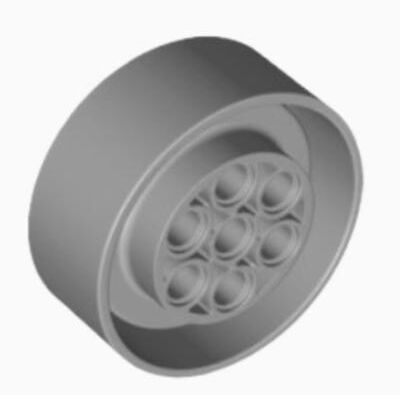
Lush Living Finds Perforated Brick Assembly Toy Accessories With Technology Mechanical Wheels Perforated Brick Assembly Toy Accessories With Technology Mechanical WheelsEnhance Creativity with Technology Mechanical Wheels Unlock the power of innovation with our technology mechanical wheels, designed specifically for perforated brick assembly toy accessories. Whether you are a hobbyist or a seasoned builder, these...43,97 $*Shipping: 0,00 $Secure redirect to the provider
-
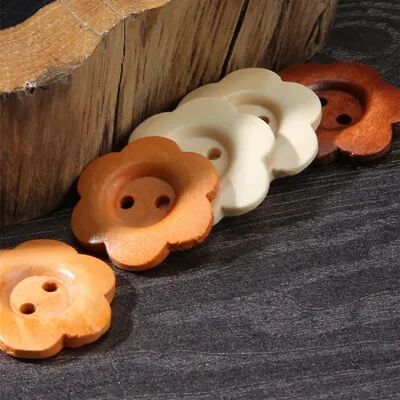
Inspire Daily Merch Wooden Flower Buttons Hole Flat Back Buttons For Womens Sweaters Overcoats Apparel Accessories brown 12mmEnhance Your Apparel with 10PCS Wooden Flower Buttons Add a touch of charm to your wardrobe with these 10PCS Wooden Flower Buttons. Designed with a 2hole flatback structure, these beautiful buttons are the perfect addition to your sweaters,...49,97 $*Shipping: 0,00 $Secure redirect to the provider
-
Are slugs poisonous?
Slugs are not poisonous, but some species of slugs can produce toxins that are harmful to other animals if ingested. These toxins are usually used as a defense mechanism against predators. It is important to wash your hands after handling slugs, as their slime can potentially carry harmful bacteria. Overall, while slugs are not poisonous to humans, it is still best to avoid direct contact with them. **
-
Are slugs useful?
Slugs can be both beneficial and harmful in the garden. On one hand, they help to break down organic matter and recycle nutrients in the soil. However, they can also be destructive pests, feeding on a wide variety of plants and causing damage to crops. Therefore, while slugs do have a role in the ecosystem, their impact on gardens and agriculture can be detrimental. **
-
Do slugs eat earthworms?
Slugs are known to be opportunistic feeders and will consume a variety of organic matter, including earthworms. However, slugs typically prefer softer plant material and decaying organic matter over earthworms. In cases where food sources are limited, slugs may resort to eating earthworms. Overall, while slugs may eat earthworms, it is not their primary food source. **
-
Are slugs protected species?
Slugs are not considered protected species in most regions. They are often seen as pests due to their tendency to feed on plants and crops. In fact, many gardeners and farmers actively try to control slug populations to prevent damage to their vegetation. However, it is important to check local regulations and conservation laws to confirm the status of slugs in a specific area. **
Similar search terms for Slugs
-
Magnum Technology AG4055MT Shock absorberFitting Position: Rear Axle, Front Axle Left, Front Axle Right; Shock Absorber Type: Gas Pressure; Shock Absorber Mounting Type: Bottom eye, Top pin; Shock Absorber Design: Telescopic Shock Absorber; Suspension: for vehicles with standard suspension, for vehicles with sports suspension49,99 £*Shipping: 8,45 £Secure redirect to the provider
-
Will blackbirds eat slugs?
Yes, blackbirds will eat slugs. They are known to forage for a variety of insects and invertebrates, including slugs, as part of their diet. Blackbirds are opportunistic feeders and will consume a wide range of food items, including fruits, seeds, and small animals like slugs. Their diet can vary based on the availability of food in their environment. **
-
Do chickens eat slugs?
Yes, chickens do eat slugs. Chickens are omnivores and will eat a variety of insects and small creatures, including slugs. In fact, allowing chickens to forage in a garden or yard can help control the slug population naturally. However, it's important to monitor the chickens' diet and ensure they have a balanced feed to meet their nutritional needs. **
-
Can slugs enter the house?
Yes, slugs can enter the house through small openings such as cracks in the walls, gaps under doors, or through open windows. They are attracted to moist and dark environments, so they may seek shelter inside homes during periods of heavy rain or high humidity. To prevent slugs from entering the house, it's important to seal any potential entry points and keep the surrounding area free of excess moisture. **
-
Do slugs survive the summer?
Slugs are able to survive the summer by seeking out cool, damp areas to avoid the heat. They are most active during the night or early morning when temperatures are lower. Slugs also have the ability to aestivate, which is a period of dormancy similar to hibernation, to conserve energy during hot and dry conditions. Overall, slugs have adapted to survive the summer months by adjusting their behavior and seeking out suitable habitats. **
* All prices are inclusive of VAT and, if applicable, plus shipping costs. The offer information is based on the details provided by the respective shop and is updated through automated processes. Real-time updates do not occur, so deviations can occur in individual cases. ** Note: Parts of this content were created by AI.